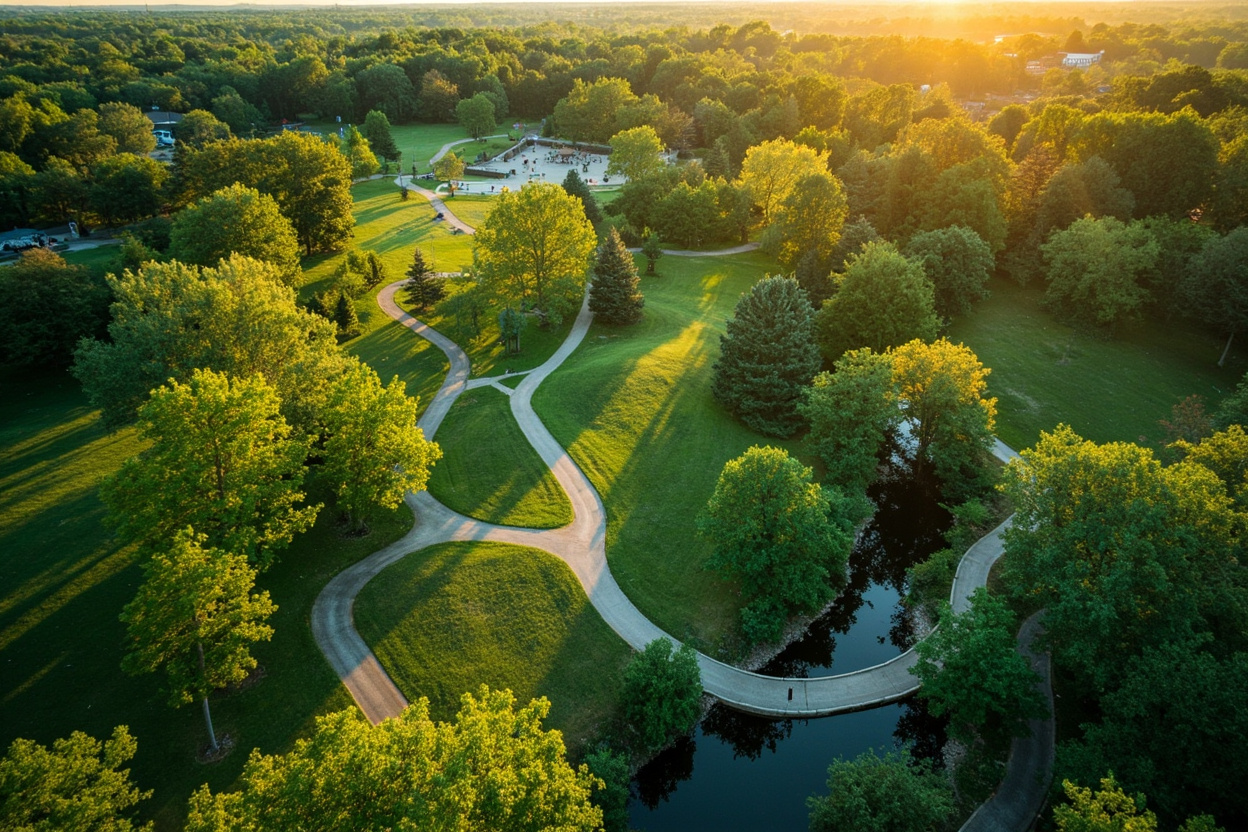
A note from OpenSpringfield: We typically present data and let you draw your own conclusions. That's what we're built for. But occasionally something comes across our desk where neutrality feels irresponsible. The Clark County parks renewal levy on the May 5 ballot is one of those issues. After looking at the numbers, the history, and what's at stake, we're asking you to vote yes. Here's why.
What's on the Ballot
On May 5, Clark County voters will decide whether to renew a 0.6-mill, 10-year operating levy for the Clark County Park District (now operating as the National Trail Parks & Recreation District after a 2024 merger).
This levy isn't new. It first passed in 2011 and was renewed in 2015, both times with strong voter support. It generates approximately $1.9 million per year and provides 75% of the park district's entire operating budget for property maintenance.
The cost? About $21 per year for every $100,000 of your home's appraised value, according to the Clark County Auditor's Office. Own a $150,000 home? That's roughly $31.50 a year. A $200,000 home? About $42. For most Clark County homeowners, we're talking less than the cost of a single streaming subscription per month.
This Is Not a Tax Increase
This is the single most important thing to understand about this levy: it does not raise your taxes.
A renewal levy keeps your rate exactly where it's been. Because this is a renewal based on 2011 property values, homeowners pay the same amount they've been paying for the past 16 years. Not a penny more. The assessed value used for this levy doesn't change, even if your home's market value has gone up since 2011.
This distinction matters, because it's what tripped up the last attempt.
What Happened in November
In November 2025, the park district put a replacement levy on the ballot. Unlike a renewal, a replacement resets the millage rate to current property values. For a home appraised at $100,000, that meant roughly $6.12 more per year than they were already paying.
It failed by 2.5%.
That's worth sitting with. A $6 annual increase, spread across ten years, to fund a park system that serves 97,000 program participants and contributes over $60 million annually to the local economy. It went down by a margin thin enough that a few hundred votes either way would have changed the outcome.
Ohio law now disallows replacement levies for this type of funding, so the district came back with what's in front of you now: a straight renewal. Same rate. Same cost. No increase at all.
If this fails, the district has one more shot in November. After that, the funding runs out. There is no Plan C.
What Your $21 Supports
The Clark County Park District manages a system that most communities our size would envy:
- 33 parks spanning more than 2,000 acres
- 30 miles of bike trails, including segments of the Little Miami Scenic Trail and the Prairie Grass Trail (part of the Ohio to Erie Trail connecting Cincinnati to Cleveland)
- 12 miles of river corridor, including Buck Creek's whitewater recreation features
- Carleton Davidson Baseball Stadium
- The Chiller ice rink
- Springfield's skateboard park
- Splash Zone water park
- Playgrounds, athletic fields, picnic shelters, and community gathering spaces across the county
A few of these deserve a closer look.
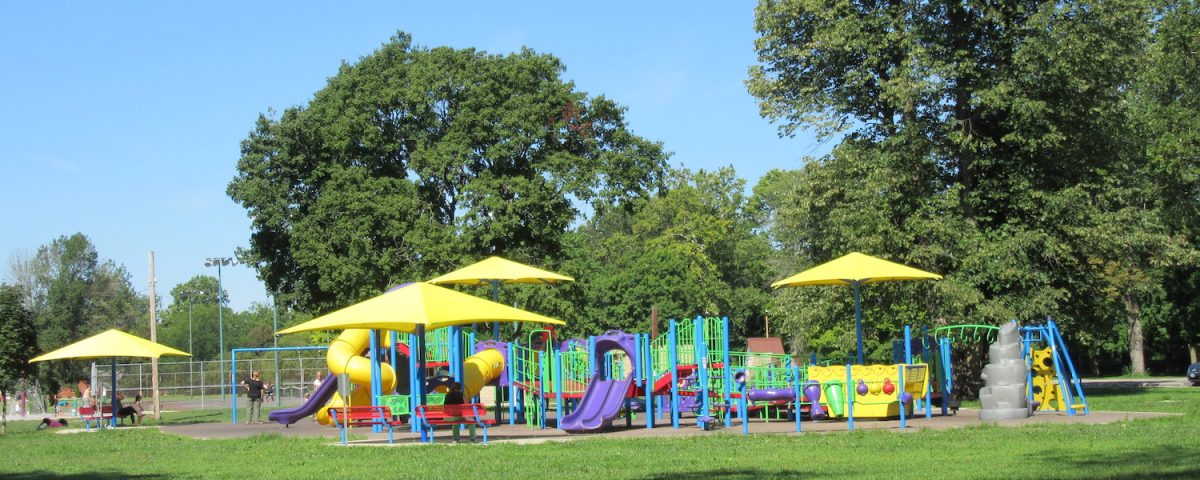
Snyder Park is 226 acres of Springfield history. Gifted to the city in 1895 by brothers John and David Snyder, it's home to the iconic Old Stone Bridge, the Dredge Tennis Complex, an ADA-accessible playground and sprayground built through over $1 million in community fundraising, a disc golf course, a dog park, gardens, an arboretum, and hiking trails through meadows and prairie.
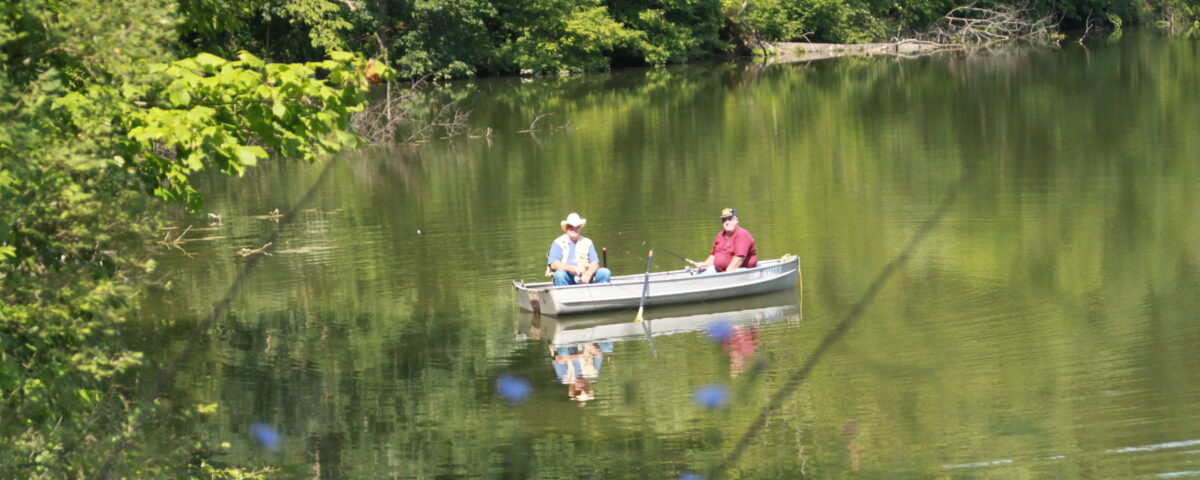
George Rogers Clark Park offers 250 acres of old-growth beech-maple forest, 5 miles of nature trails, Hosterman Lake for fishing and non-motorized boating (no license required), the Hertzler House Museum, and the Davidson Interpretive Center. It's one of the most peaceful places in the county, and it's free.
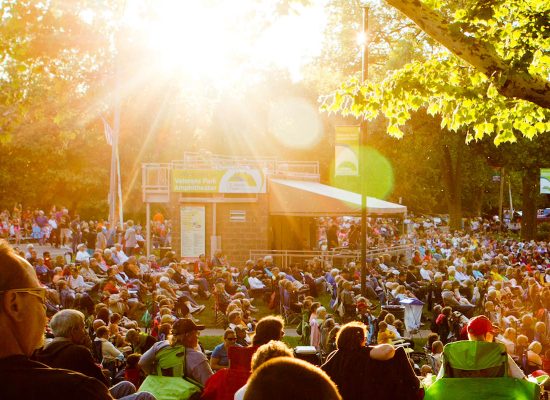
Veterans Park, adjacent to Snyder Park, combines an outdoor amphitheater on the banks of Buck Creek, a bouldering park, playgrounds, and the Veterans Memorial. It hosts concerts, community events, and some of the best public art in the city.
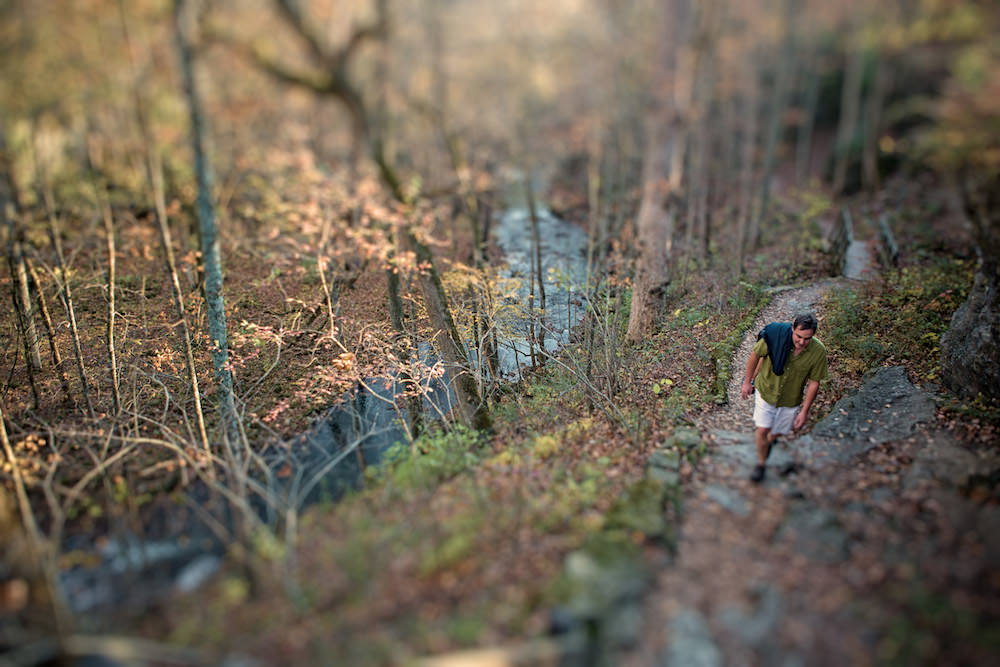
And the trail system. Thirty miles of paved, maintained bike trails connecting our community to the broader Ohio to Erie network. The Little Miami Scenic Trail runs approximately 78 miles from Springfield to the Cincinnati area. The Prairie Grass Trail connects to Xenia and beyond. These aren't just amenities. They're economic connectors, health infrastructure, and a reason people choose to live here.
A Track Record of Doing More with Less
This is where the numbers get genuinely impressive.
The Clark County Park District has been operating on 2011 funding levels for 16 years. No adjustments for inflation. No increases for rising material costs or expanded programming. The same dollar amount, every year, while everything around it got more expensive.
And yet they've added new trails, playgrounds, pickleball courts, shelters, and expanded programming during that time. How? By being one of the most fiscally efficient park districts in the country:
National median: $3,714
National median: $94.77
vs. national average
Read those numbers again. Clark County operates its entire park system for roughly a third of what the average park district spends per acre. Per resident, it costs about a quarter of the national median. The district runs with 82% fewer full-time employees than comparable systems.
This isn't a bloated bureaucracy asking for a blank check. This is a lean operation that has squeezed every possible dollar out of flat funding for over a decade and a half. There is no fat to cut. There is no waste to eliminate. The efficiency is already there.
What Happens If It Fails
Director Leann Castillo has been clear: the impact would be immediate and severe.
This levy covers 75% of all property maintenance. A failure doesn't mean slightly fewer programs or a few deferred projects. It means a 75% reduction in the district's ability to maintain the parks you already use. Trails deteriorate. Playgrounds become unsafe. Shelters go unmaintained. Mowing, clearing, and basic upkeep stop at a scale that would be visible within months.
Parks could close. Services would be cut. Green spaces that took decades to build and maintain would start to fall apart.
And once public parks deteriorate, the cost to restore them is always higher than the cost of maintaining them in the first place.
Why This Matters Beyond Parks
Here's the thing about public parks that doesn't show up on a ballot summary: they're a proxy for how a community sees itself.
When a family is deciding whether to move to Clark County, they're looking at the schools, the job market, the cost of living, and the quality of life. Parks, trails, playgrounds, community programming: these are quality of life. They're what makes a place feel like somewhere you'd actually want to raise kids, not just somewhere you can afford to.
When Springfield is competing for economic development dollars, for new employers, for young professionals who have choices about where they live, our parks system is part of the pitch. The park district contributes an estimated $60 million annually to the Clark County economy. That's not a feel-good guess. That's the economic activity generated by 97,000 program participants, facility rentals, events, trail tourism, and the downstream spending they create.
And at a moment when Springfield is working hard to write a better story about itself, letting our parks fall apart would be the most counterproductive thing we could do.
Our Position
We don't usually do this. OpenSpringfield exists to present data and let you make informed decisions. But sometimes the data points so clearly in one direction that staying neutral starts to feel like its own kind of editorial choice.
This is a renewal. Not a new tax. Not an increase. The same rate you've been paying since 2011, roughly $21 per year for every $100,000 of appraised home value.
It funds a park system that operates at a fraction of the national cost, serves nearly 100,000 participants a year, contributes $60 million to the local economy, and maintains 33 parks, 30 miles of trails, and 2,000 acres of green space that belong to all of us.
The alternative is watching it fall apart.
Vote yes on May 5.
Voting Information
- Election Day: Monday, May 5, 2026. Polls open 6:30 a.m. to 7:30 p.m.
- Early voting: Available now through May 4 at the Clark County Board of Elections, 31 E. Main Street, Suite 100, Springfield.
- Mail-in ballots: Must arrive at the Board of Elections by the time polls close on Election Day (new Ohio law, SB 293, eliminated the post-election grace period).
- Check your registration: Ohio Secretary of State voter portal
Sources: Springfield News-Sun (March 2026, November 2025), Dayton Daily News (opinion, 2026), National Trail Parks & Recreation District, Clark County Board of Elections. Park photos courtesy of NTPRD. Fiscal comparison figures cited in Dayton Daily News guest editorial.